Article: Why Safety Matters in Sport
From Playground to Podium: Why Sport Matters
Building Skills, Character, and Belonging at Every Stage of Life
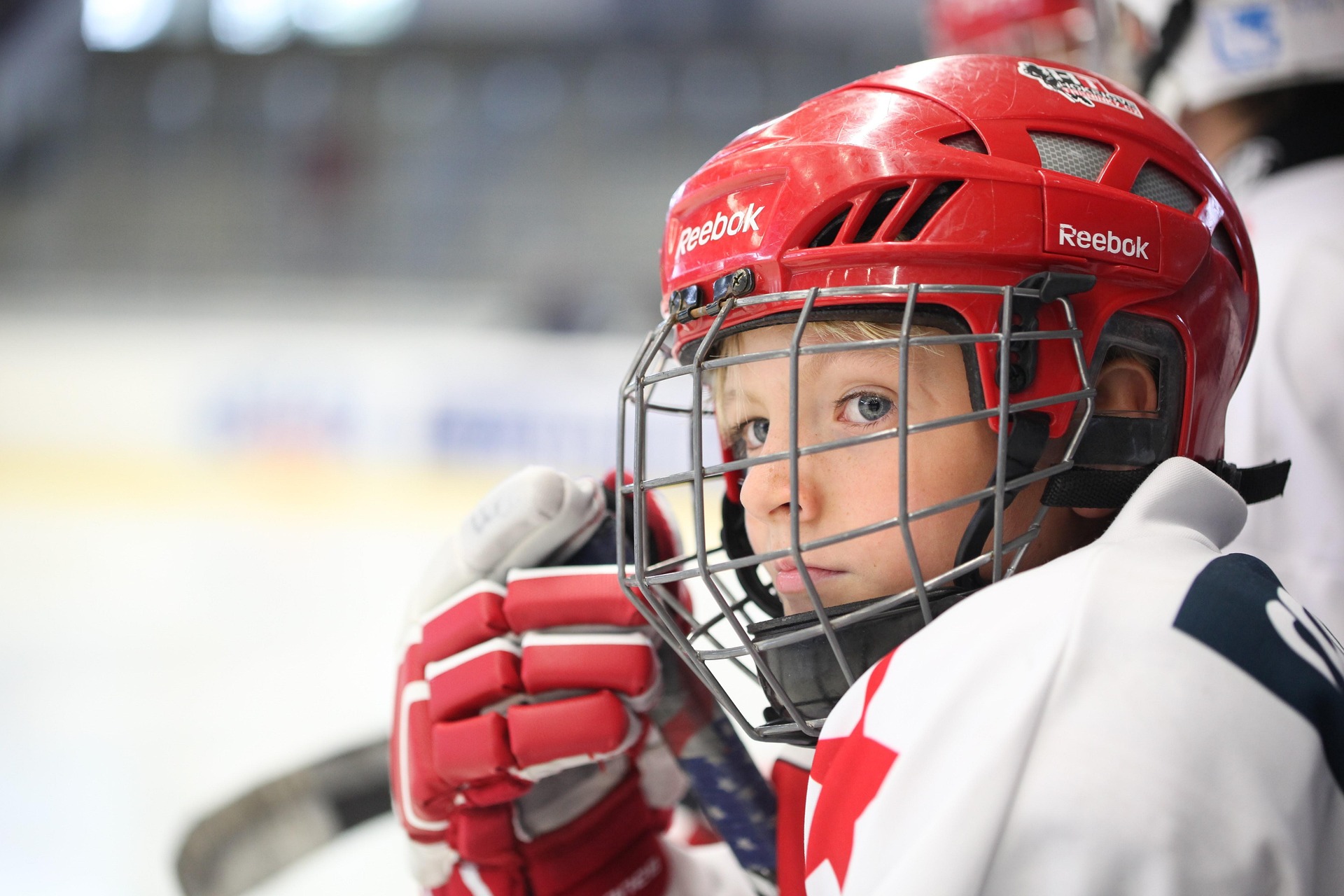
Why does safety matter in sport? Before we answer that, let’s remind ourselves why sport matters.
Sport matters because it is where people have the best opportunity to learn about teamwork, focus, and discover their own strengths and weaknesses. Sport matters because it is through sport – whether in our backyard, in rec center, in school or in a professional setting – we learn new things, feel we belong to a group, and push our mental and physical limits to reach our goals. When we’re young, sport gives us a chance to play with friends, learn new skills, and feel like we belong. When we become parents, we want our kids to learn the value of practice, the fun of trying new things, and how to lose and win with grace; we want our children to learn to work as a team, or how to get the best out of themselves if they do an individual sport. And those of us who pursue high-performance success, we enjoy the challenge of pushing our limits, learning from losses and celebrating wins.
These positive experiences are the reason why sport matters, but they can only happen consistently when safety is at the foundation of the sporting environment. When harmful behaviours, misconduct, or unsafe situations occur, they can undermine the benefits that sport is meant to provide. Understanding what happens and how often can help us all prevent the most common things and respond appropriately.
There has been a lot of research done to understand what unsafe behaviours happen in sport and how often. Here are some of the key findings from a large study called the CASES Report:
- The most common form of harm is psychological.
This includes things like being humiliated, excluded, screamed at, being criticized about weight or body shape, or being asked/forced to do exercise as a form of punishment. It can also include being asked or forced to take part in “initiation” ceremonies or rituals that are meant to humiliate, degrade, or belittle – this is referred to as “hazing”.
- While international athletes have the highest rates of harm at 84%, 78% of club athletes experience at least one form of harmful behaviour. Even at recreational level, 68% of children and youth experience some form of harm.
If sport is supposed to be fun, a learning experience for kids, and a chance to be active and healthy, why would we accept these harmful behaviours at any level? Safety – physical, emotional, psychological, and cultural – provides the necessary conditions for people to do their best. Beyond that, children have a legal right to participate safely in sport.
- Most of the harm is done by athletes’peers, across all types of harm.
This isn’t what we hear about in the media, but athlete-to-athlete harm is more than double that of adult-to-athlete harm except for physical harm and neglect. Many coaches believe their role is only to teach the sport, but we know that setting clear expectations for behaviour and intervening when they see harmful behaviours starting has a huge impact. Parents also have a role to play by supporting coaches who actively create safe environments.
- Across all types of harm, boys experience higher rates of harm than girls.
This is recent research, and it contradicts earlier work. However, it can help us notice how teaching boys to be “tough” or “aggressive” in sports impacts them. We also know that hazing in teams can contribute to this statistic.
This research does not undermine the experience of harm by girls or women, but encourages us to look with a different perspective at some behaviours experienced by boys in sports that have become normalized, and uncovers the need for us to work to protect everyone.
- Harmful behaviours start young. The harm that had the most serious impact on young athletes often happened or started between the ages of 7 to 13. Some even started before the age of 6.
It is interesting that there is an issue with youth dropping out of sport as they enter their teens. If sport is no longer fun because of harmful behaviours by their peers or their coach, this trend is understandable.
- For most forms of harm, rates of harm are lower in sport (75%) than outside of sport (82%). Inside sport, neglect was marginally more common and physical harm was significantly more common.
While any harm is unacceptable, this shows that some of the measures sport organizations have taken to improve safety are working. It can provide hope that further measures have the chance to have even more impact.
The CASES Report highlights that “despite the high prevalence rates inside sport, nearly 85% of their respondents rated their general experience of sport as good or very good”.
Safety is not separate from sport’s success. It is the foundation that allows athletes, coaches, officials, volunteers, and families to thrive. When people feel safe, respected, and supported, they are free to learn, grow, compete, and enjoy all that sport has to offer.
Because when sport is safe, everyone can experience the very best of what sport can be. The question PlaySafe asks, and tries to answer, is “What can each of us do to make it even better?”
To learn more, take a Free Safe Participation course
Reference:
Hartill, M., Rulofs, B., Lang, M., Vertommen, T., Allroggen, M., Cirera, E., Diketmuller, R., Kampen, J., Kohl, A., Martín, M., Nanu, I., Neeten, M., Sage, D., & Stativa, E. (2021). CASES: General Report. The prevalence and characteristics of interpersonal violence against children (IVAC) inside and outside sport in six European countries [Report]. Edge Hill University. https://doi.org/10.25416/edgehill.17086616.v1