Article: Neuromuscular Warm‑Ups
Warm Up Smarter, Play Safer
Neuromuscular Warm‑Ups Reduce Injuries in Sport and Recreation
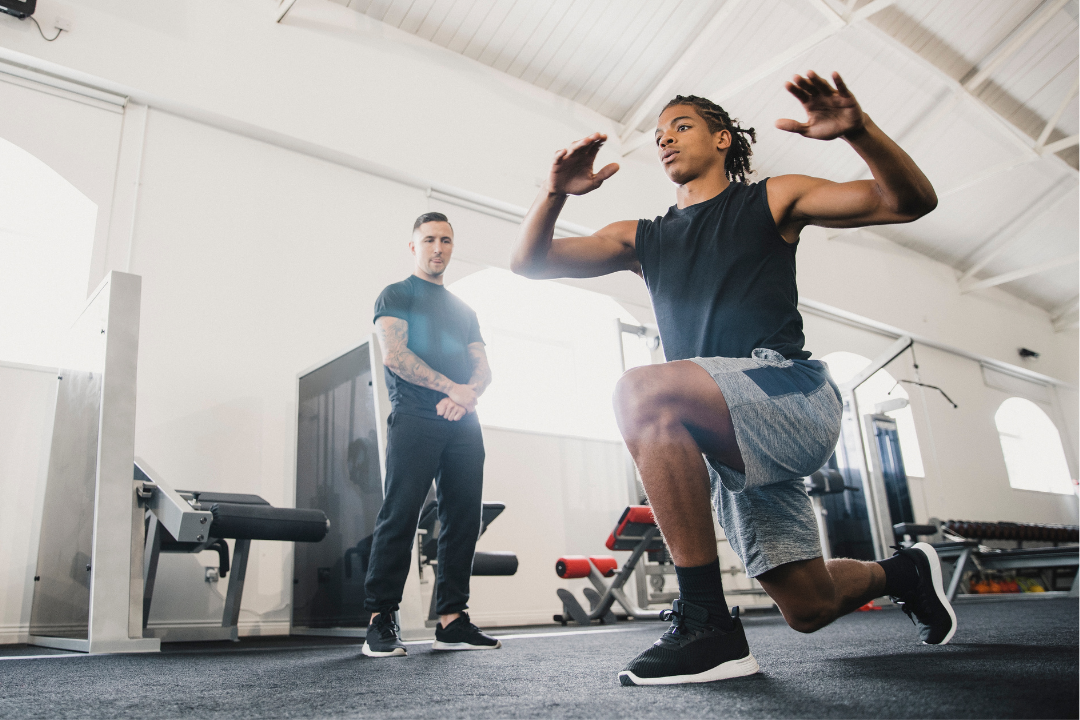
If you’re like most people, your warm‑up routine or the one you use when you coach sport or recreation hasn’t changed in years. A few stretches, a light jog, maybe some drills. But what if simply changing how you warm up could significantly reduce the risk of injury, while also improving your performance and enjoyment of your favourite activities?
That’s exactly what growing research on neuromuscular warm‑ups is showing. These targeted routines, used in both community and high‑performance sport, are proving to be one of the most effective, accessible, and time‑efficient tools we have to keep athletes of all ages active and injury‑free.
What is a neuromuscular warm‑up?
A neuromuscular warm‑up is a structured series of exercises designed to prepare your muscles, joints, and nervous system for the demands of sport. Unlike traditional static stretching or light jogging, neuromuscular warm‑ups include movements that improve strength, balance, agility, muscle activation, motor control, and dynamic stability.
Research shows that these warm‑ups stimulate multiple body systems – musculoskeletal, neurological, cardiovascular – much more effectively than traditional warm‑ups, improving joint range of motion, muscle activation, proprioception, nerve conduction, and overall readiness for activity.
Programs have been developed by experts in Canada and internationally, and include running drills, strength and core work, plyometrics, and balance training. All of these elements act together to enhance performance and reduce injury risk.
What injuries can they help prevent?
A large body of research now shows that neuromuscular warm‑ups reduce a wide range of sport‑related injuries, particularly in the lower extremities:
- A 2024 youth basketball study found injuries were more than twice as common in teams using a standard warm‑up compared to those using a neuromuscular one (23.3% vs. 10.9%).
- Meta‑analyses show neuromuscular training reduces lower‑extremity injuries by 27–36%, including significant reductions in ankle, knee, and muscle injuries.
- In soccer, the FIFA 11+ program reduces ankle injury rates by 33% and decreases moderate and severe injuries by up to 71%.
- Neuromuscular warm‑ups also improve muscle contractility and key protective movement qualities.
These routines provide measurable, long‑term protection against the types of injuries that most commonly take people out of sport.
Do neuromuscular warm‑ups improve performance, too?
Yes, and this is one of the most compelling reasons to switch.
Research shows that neuromuscular warm‑ups don’t just reduce injury risk; they also enhance performance indicators such as vertical jump height, sprint performance, and agility.
Training the connections between your nervous system and your muscles gives you better control, better balance, and improved coordination all contribute to sharper, more explosive movement. These are all benefits that matter whether you’re a weekend hiker, a youth athlete, or someone returning to sport after time away.
Why swap your current warm‑up for a neuromuscular one?
The best part: you don’t need to add extra training time. Most neuromuscular warm‑ups take 10 minutes, just like your current one. The difference is in the content. And consistency matters—athletes and teams who perform these routines at least twice per week see the greatest reductions in injury.
Replacing your usual warm‑up with a neuromuscular one can help you:
- Stay active with fewer setbacks
- Improve balance, agility, and movement control
- Increase performance measures like jump height and sprint speed
- Enhance your readiness and confidence heading into activity
How can you get started?
You don’t need special equipment or training expertise. Evidence‑based warm‑ups are available through free public Apps and video playlists.
You can find links to these and other tools and resources on the PlaySafe Injury Prevention page
These can be plugged directly into a practice, gym session, or game warm‑up—no extra time required.