Injury Prevention in Sport
Injury prevention allows for continuous
enjoyment of sport


What is Injury Prevention?
Being active is one of the best things we can do for our physical and mental health. But injuries happen across all ages and all activities, and they can interrupt routines, reduce confidence, and make it harder to stay active.
The good news: research shows many injuries can be prevented with simple habits and smart decisions.
That means more kids can keep learning and having fun. More adults can stay involved. And more high performance athletes can continue working towards their goals.
Why is injury prevention important?
Staying injury-free supports long-term health and allows for continued and sustained enjoyment of sport and activity.
- Preventing injuries helps keep everyone safe and allows us to spend more time doing the activities we enjoy.
- Promoting injury prevention measures can help ensure that everyone can continue participating.
- Building a culture of safety where injury prevention is prioritized can lead to healthier, more resilient participants.
- Emphasizing safety over the outcome of a game or activity can prevent injuries from escalating into long-term issues
What Research Tells Us
Injuries don’t have a single cause. They come from the interaction of people, environments, equipment, rules, and decisions. This means there are many ways to prevent them.
People’s behaviour matters. When everyone commits to enforcing safer habits and equipment rules, the impact is huge. Injury prevention strategies work best when people chose to use them.
Small changes can reduce injury rates dramatically if used regularly. Replacing a traditional 10-minute warm-up with a neuromuscular warm-up can benefit people of all ages. These routines have been shown to reduce injuries by 28% to 80%.
Ongoing monitoring is necessary – annual screening is not enough. Simple, regular check-ins help people notice and adapt to changes in fatigue, workload, or discomfort. Pay attention and make small adjustments to stay safe and active.
Overuse Injuries in Youth Athletes
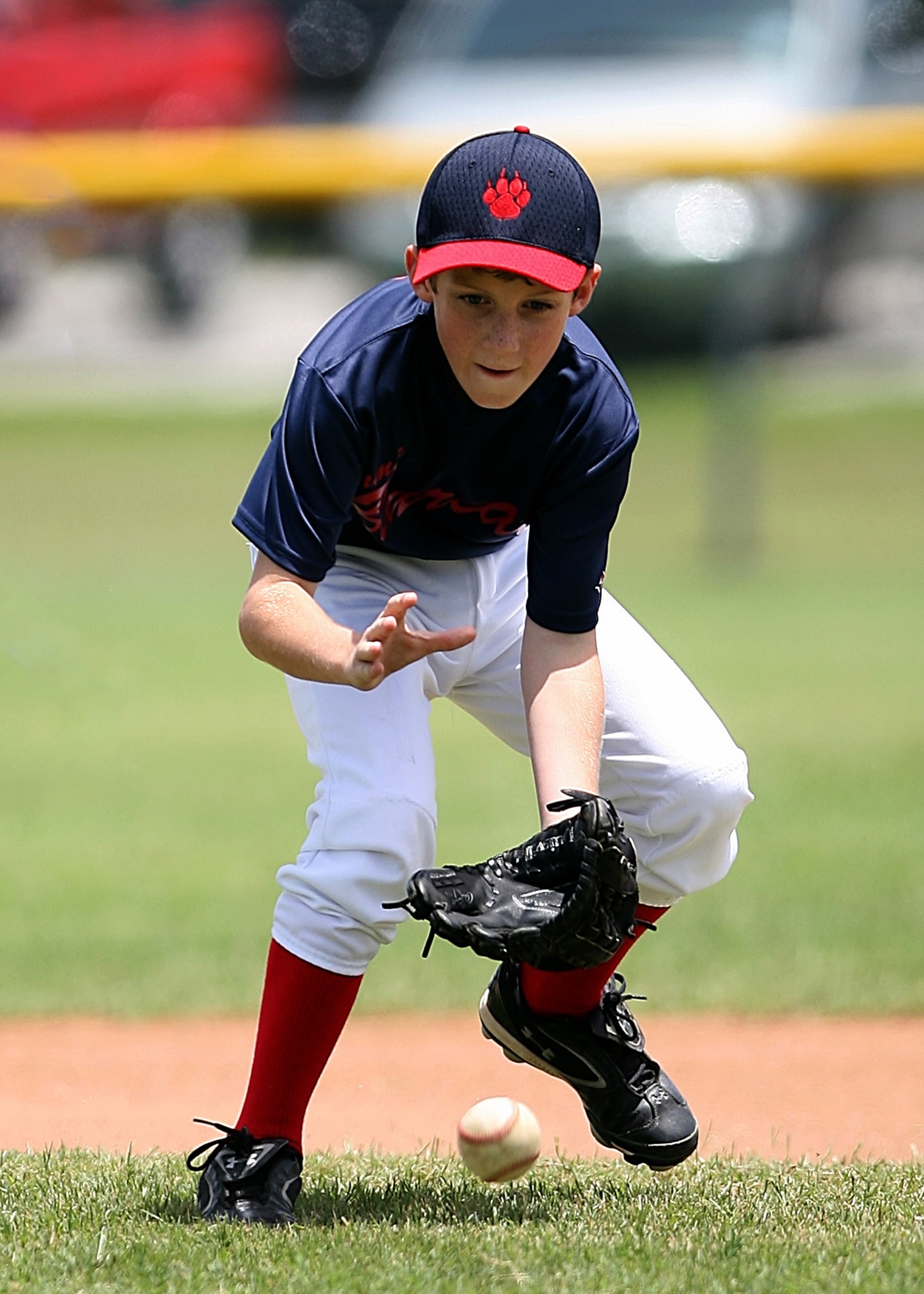
Youth athletes often face extra pressure, and injuries are common when they move into higher levels of training or play too many games with too little downtime.
Many try to balance heavy school responsibilities with demanding training and competition schedules, which can lead to not enough rest and recovery.
Regular monitoring – by the athlete, parents, and coaches – can help catch early warning signs so training and expectations can be adjusted before an injury happens.
Practical Tips for Supporting Injury Prevention
These steps encourage a proactive approach to safety, creating an environment where everyone feels empowered to prioritize injury prevention and early treatment.
Prepare your Body
Replace your old warm-up with a neuromuscular warm-up (see links in resources below).
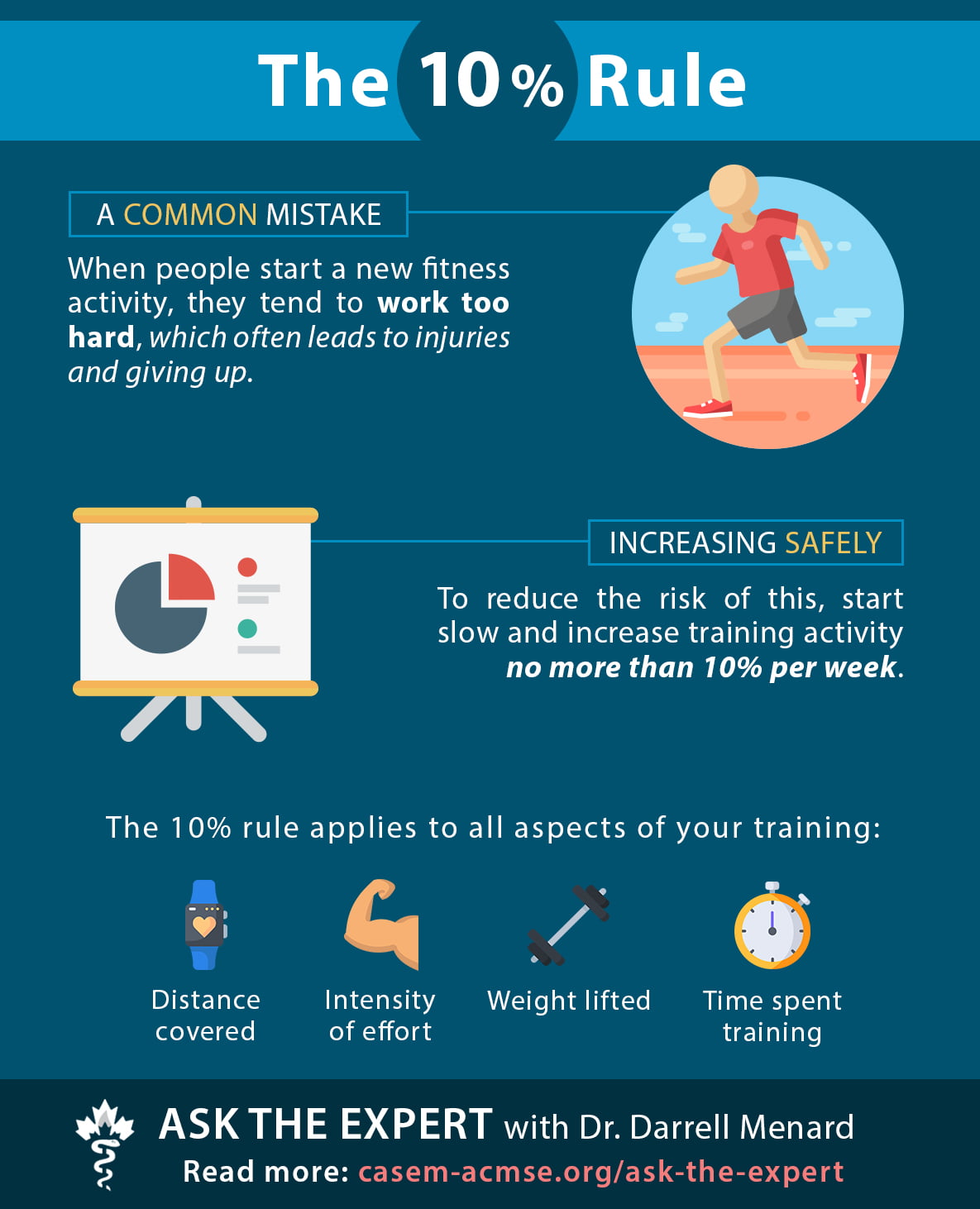
Increase your training volume and intensity gradually.
Do some exercises to prepare yourself if you’re planning to do an activity for the first time in a while.
Maintain and Use Safety Equipment
Equipment rules are designed to reduce injuries. Coaches and leaders can set the tone and ensure the rules are reinforced.
Use the right equipment and make sure it fits well.
Check your equipment for wear and tear, and repair or replace it if needed.
Recover Well
Get adequate sleep. This is especially important for youth, but beneficial at any age. Poor sleep increases injury risk.
Drink and eat enough to fuel your body before, during, and after exercise.
Allow time for healing if you’re injured or ill. Returning too soon increases the chance of re-injury.
Talk about Safety
Promoting safety-first attitudes helps prevent injuries. Emphasize the value of staying healthy over “playing through pain.”
If you feel a new pain or strain, tell your coach or instructor right away and modify your training or competition plans.
Consider the Weather
Make it a habit to check the weather before going to do outdoor sport or recreation.
Prepare for outdoor conditions with sunscreen, waterproof clothing, or other necessary gear.
Pay Attention to Fatigue
Notice early signs of being tired, and adjust pace, drills, or effort accordingly.
Ask yourself: “Do I have enough energy for this next effort?”